Dental Fillings


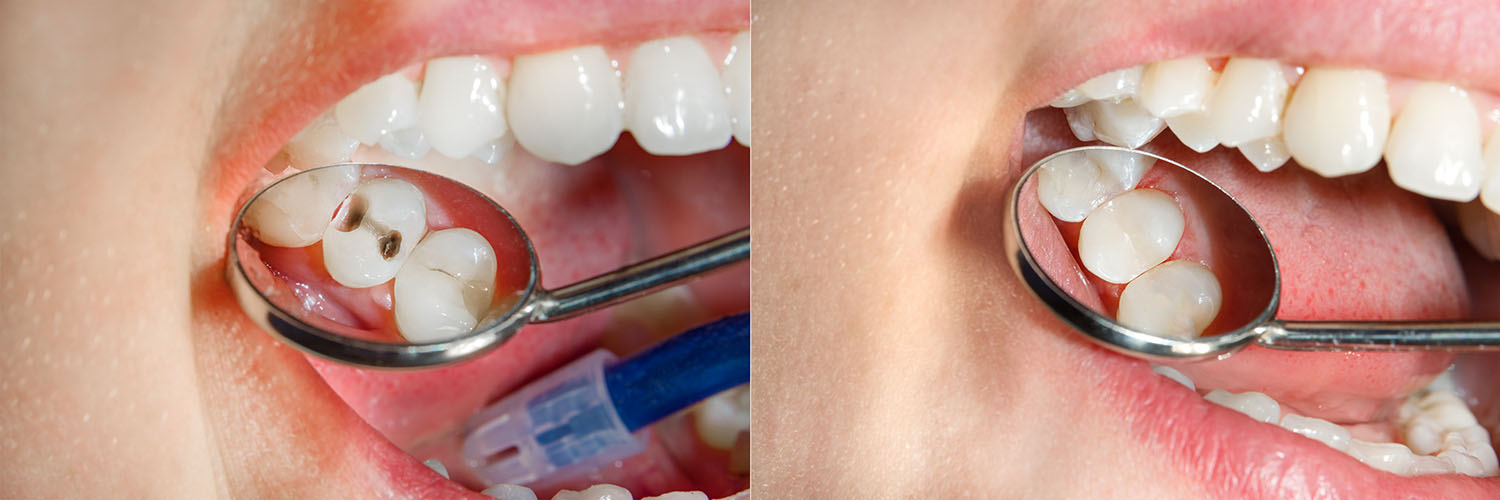
A cavity weakens a tooth from the inside out. A composite filling replaces the lost structure, so the tooth regains its shape, works properly again, and looks like the rest of your smile.
At 26 North Dental in Parkland, we use modern composite materials made of tooth-colored resin. They bond directly to your natural tooth, which restores the tooth and also adds strength. The result is durable protection that looks and feels natural.
Patients often call composites "white" fillings. We match the shade to your neighboring teeth, so the repair blends in. Composites contain no mercury and no metal, which is why many people choose them over older metal fillings.
Since the resin bonds to both enamel and dentin, we can usually remove less healthy tooth during preparation. You keep more of your own tooth, and the bond seals out bacteria that could cause new decay.

First, we numb the area with local anesthesia so you stay comfortable. Then we carefully clear away the decayed part of the tooth. Most fillings are done in one visit.
Next, we place the resin in thin layers. A special curing light hardens each layer before the next one goes on. Building the filling this way lets us shape it to fit the natural contours of your tooth and your bite. We finish by adjusting and polishing the surface so it feels smooth.
Your comfort matters to everyone at 26 North Dental. We walk you through each step as we go. If dental visits make you nervous, ask us about sedation dentistry.
Daily brushing and flossing, plus regular cleanings and exams at 26 North Dental, help your composite filling serve you well for many years and keep the rest of your mouth healthy too.

We want every filling to look natural, feel comfortable, and support your oral health for the long run. Have a question about a cavity or composite fillings? Our Parkland team is happy to help.
Book a consultation with Dr. Bennett and take the first step toward a smile you are proud to share.
Early cavities often cause no symptoms at all, which is why regular exams matter. As decay grows, you may notice sensitivity to sweets, hot, or cold, a sharp twinge when biting, a dark spot on the tooth, or food catching in one area.
Your dentist can confirm a cavity with a visual exam and X-rays, then recommend whether a filling is the right way to restore the tooth.
Most patients feel very little during a filling. The area is numbed with local anesthesia before any decay is removed, so you may notice pressure or vibration but should not feel pain.
Our team explains each step as we go. If you feel anxious about dental visits, ask about sedation options so you can feel more relaxed.
Most fillings are completed in a single visit. The exact time depends on the size of the cavity, where the tooth is located, and how many teeth need treatment.
Your dentist can give you a better estimate after examining the tooth, so you can plan your day with confidence.
With good care, a composite filling can serve you well for many years. How long it lasts depends on the filling's size and location, your bite, habits like grinding or chewing ice, and how well you keep up with brushing, flossing, and checkups.
During regular exams, your dentist checks your fillings and lets you know if one shows wear or needs attention.
Composite resin is hardened with a curing light during your visit, so the filling is set before you leave. The main concern is numbness. It is best to wait until feeling returns before chewing so you do not accidentally bite your lips, cheeks, or tongue.
Soft foods and lukewarm drinks may feel most comfortable for the first day or so if the tooth is a little sensitive.
Many patients ask about replacing older metal fillings with tooth-colored composite. Whether it makes sense depends on the condition of the existing filling and the tooth around it.
Your dentist can examine your current fillings and talk with you about whether replacement is a good option for your situation.
The cost of a filling depends on several factors, including:
Our team can review your treatment plan and estimated costs with you before your appointment.
Fillings work well for small to moderate cavities. If decay is extensive or a large portion of the tooth is broken, a filling may not provide enough support, and your dentist may suggest another type of restoration.
Treating cavities early often means a smaller, simpler filling, which is one more reason to keep up with regular exams.
Composite fillings can be used for patients of many ages, including children with cavities in baby or permanent teeth. They blend in naturally and contain no metal, which many parents appreciate.
Your dentist will look at your child's teeth and recommend the best way to treat any decay comfortably.
You can contact our Parkland office to book an exam or filling appointment. Our office is open Monday through Thursday from 8:30 am to 5:00 pm and Friday from 8:30 am to 2:00 pm.
If you think you may have a cavity, scheduling sooner rather than later can help keep the repair small and protect more of your natural tooth.
Mon to Thu 8:30 AM to 5:00 PM
Fri 8:30 AM to 2:00 PM