Ceramic Crowns
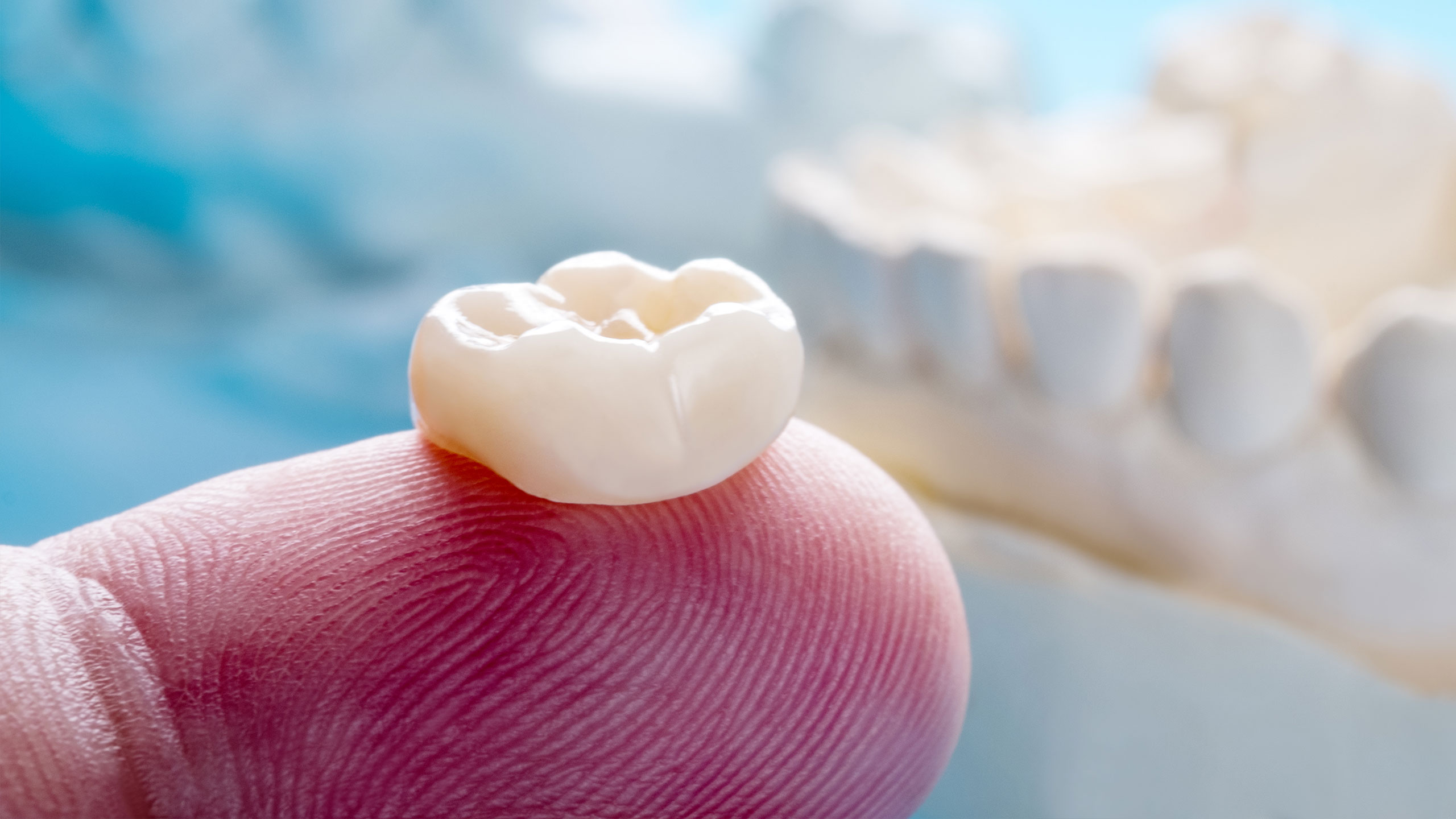


Your enamel is the hardest material your body makes. It is even tougher than bone. Teeth can still crack, chip, or decay, and sometimes the damage is too large for a simple repair. At 26 North Dental, we use current technology and proven techniques to rebuild those teeth so they work well and look natural again.
For smaller problems, dental fillings are often enough. When decay, an injury, root canals, or years of clenching and grinding have taken away too much of the tooth, a filling cannot give it the support it needs. A crown covers the whole tooth to bring back its strength, its function, and its appearance.
Crowns no longer need metal inside them. Modern dental ceramics let us make crowns that are fully metal-free, durable, long-lasting, and as attractive as a natural tooth.
Your comfort and satisfaction come first at 26 North Dental. We build each treatment plan around your oral health needs and the way you want your smile to look.
Good results start with careful planning and listening to what you want from your smile. Whether you need a crown or another service, we will walk you through your options and answer your questions at every step.
A crown is a full-coverage cap shaped to match the form and function of a natural tooth. We often suggest one to:
Rebuild a tooth badly weakened by decay or trauma
Replace a large or broken filling
Top a dental implant
Cover the anchor (abutment) teeth that hold a traditional dental bridge in place
Protect and strengthen a tooth after root canal therapy
Improve a tooth that is small, slightly out of line, deeply stained, or oddly shaped
Help correct bite problems
You can learn more about crown options in general on our crowns and caps page.

Among today's crown materials, metal-free (all-ceramic) crowns give the most lifelike and body-friendly results. People once called them "porcelain jackets." Today's versions use advanced ceramics that are attractive, tough, and natural looking, with strength comparable to metal and porcelain-fused-to-metal crowns.
"All-ceramic" means the crown is 100% ceramic through its full thickness. Older ceramic crowns looked better than porcelain-fused-to-metal crowns but were not as strong. Newer materials have closed that gap, making them more reliable than ever.
Here is what an all-ceramic crown offers:
It reflects light much like a real tooth, with similar translucency and shine
It can be made thinner, so less of your natural tooth needs to be reshaped
It weighs less than crowns built on a metal base
It is gentler on the nearby gum tissue
It resists stains and discoloration
It contains no metal, making it a safer choice if you have metal allergies or sensitivities
It has no metal edge, so there is no dark line showing at the gumline

We do not cut corners on materials. Your crown is milled from the latest generation of durable ceramics so it blends in with the rest of your smile.
The best ceramic for you depends on where the tooth sits, how much biting force it handles, and how visible it is. Some ceramics are built for the strength back teeth need, while others shine in the front of the mouth. Feldspathic porcelain was the traditional choice for porcelain crowns, but newer ceramics now work well for both front and back teeth.
Popular, proven options include:
Lithium Disilicate Porcelain Crowns
Leucite Reinforced Pressable Porcelain Crowns
Solid or Monolithic Zirconia
High Translucent Zirconia
Picking the right material matters for a crown that looks good and lasts. At 26 North Dental, we study how your bite works and how your smile looks, then recommend the ceramic that fits your needs and your goals.

At 26 North Dental, we want every patient to have a healthy mouth and a smile they are proud to show. Our team stays current with advances in dentistry so we can offer effective ways to improve how your teeth look, feel, and work.
Restoring a smile takes both technical skill and an artistic eye, and we bring both to every crown. 26 North Dental also offers a full range of services for your whole family, from preventive care to restorative dentistry.
Ready to talk about a ceramic crown? Call our Parkland office at (954) 369-1255 or contact us to schedule a visit.
Book a consultation with Dr. Bennett and take the first step toward a smile you are proud to share.
With good care, an all-ceramic crown can serve you well for many years. How long yours lasts depends on things like the material chosen, where the tooth sits in your mouth, your bite, and your daily habits.
Brushing twice a day, flossing, keeping up with regular checkups, and avoiding habits like chewing ice or opening packages with your teeth all help protect your crown. If you clench or grind, ask your dentist whether a night guard makes sense for you.
First, your dentist examines the tooth and talks with you about your goals. The tooth is numbed, then gently reshaped to make room for the crown. Because all-ceramic crowns can be made thinner, less reshaping is often needed.
Next, the tooth is measured or scanned so the crown can be milled to fit your bite and match your nearby teeth. Once the crown is ready, it is checked for fit, color, and comfort before being bonded in place.
Most patients feel little more than pressure during the procedure, since the tooth and surrounding area are numbed first. Our team checks in with you throughout so you stay comfortable.
Afterward, it is common to notice mild tenderness in the gums or some temperature sensitivity for a few days. This usually fades on its own. If discomfort lingers or your bite feels off, let us know so we can take a look.
Care for a ceramic crown much like your natural teeth:
The crown itself cannot decay, but the tooth underneath still can, so protecting the gumline is important.
The cost of a crown depends on several factors, including the type of ceramic chosen, the condition of the tooth, and whether other treatment is needed first, such as a root canal or a buildup to support the crown.
Your insurance coverage also plays a role. Our team will review your treatment plan with you and explain your options before any work begins so there are no surprises.
No. Ceramic does not change color with whitening products. That stain resistance is a benefit, but it also means the crown will stay the shade it was made in.
If you are thinking about whitening, it is often best to do it before your crown is made. That way, your dentist can match the crown to your newly brightened smile.
In most cases, no. All-ceramic crowns reflect light much like natural enamel, and because they contain no metal, there is no dark line at the gumline.
Your dentist matches the shade, shape, and translucency of the crown to your surrounding teeth, so it blends in naturally whether it is on a front tooth or a back one.
Modern ceramics are strong, and options like zirconia are designed to handle heavy biting forces on back teeth. Still, like natural teeth, a crown can chip or crack under unusual stress, such as biting something very hard or grinding at night.
If your crown ever feels rough, loose, or damaged, contact us. Small issues are often easier to address when caught early.
Yes. All-ceramic crowns are 100% ceramic through their full thickness, with no metal base or edge. That makes them a safer choice for patients with metal allergies or sensitivities.
Be sure to share any allergies with your dentist during your visit so your treatment plan is built around your needs.
It depends on how much healthy tooth structure remains. Smaller areas of decay or damage can often be repaired with a filling. When a large portion of the tooth is weakened, cracked, or has had a root canal, a crown usually offers better protection and support.
The best way to know is an exam at our Parkland office. Your dentist will look at the tooth, explain what they see, and walk you through your options.
Mon to Thu 8:30 AM to 5:00 PM
Fri 8:30 AM to 2:00 PM